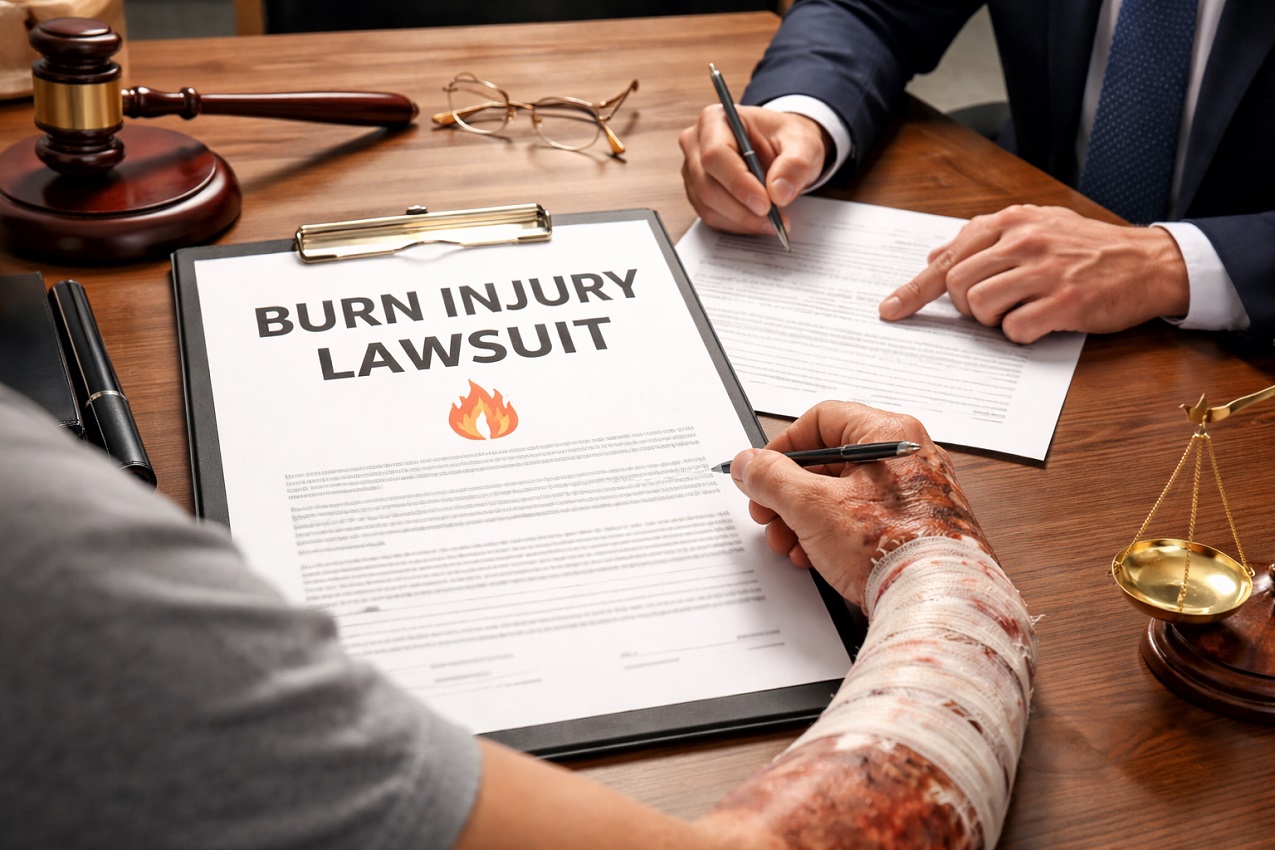
Every year, thousands of people suffer devastating burn injuries due to accidents, negligence, or defective products. These injuries are among the most painful and life-altering a person can endure, often requiring extensive medical treatment, surgeries, and long-term rehabilitation. Understanding burn injury legal action is essential for victims who want to hold responsible parties accountable and secure the financial support needed for recovery. Whether the injury occurred at a workplace, in a vehicle accident, or due to a faulty consumer product, the law provides avenues for victims to seek justice.
Understanding Burn Injuries and Their Severity
Burn injuries are classified into four degrees based on their depth and damage to the body. First-degree burns affect only the outer layer of skin, causing redness and pain. Second-degree burns penetrate deeper, causing blistering and potential scarring. Third and fourth-degree burns are the most severe, destroying multiple layers of skin, muscle, and even bone — often requiring skin grafts and resulting in permanent disfigurement.
The severity of a burn directly impacts the legal claim’s value. More serious burns demand longer hospital stays, repeated surgeries, physical therapy, psychological counseling, and adaptive equipment. These cumulative costs can run into hundreds of thousands of dollars, making legal representation not just helpful but absolutely critical.
Common Causes That Lead to Legal Claims
Burn injury claims typically arise from several identifiable scenarios where another party’s negligence played a role:
- Workplace accidents involving chemical spills, electrical failures, or inadequate safety training
- Car and truck accidents where fuel ignites upon impact
- Defective products such as faulty appliances, electronics, or children’s sleepwear that catch fire easily
- Premises liability situations like gas leaks, faulty wiring, or unguarded open flames on someone’s property
- Medical malpractice involving chemical burns from improperly administered treatments or radiation errors
- Fires in rental properties caused by a landlord’s failure to maintain smoke detectors or safe electrical systems
In each of these cases, the injured party may have a valid legal claim against the negligent individual, company, or manufacturer responsible for the harm.
Who Can Be Held Liable?
Liability in burn injury cases depends on the circumstances. Employers can be held accountable when workplace safety regulations were violated. Product manufacturers face liability when a design defect or failure to warn caused the injury. Property owners are responsible when unsafe conditions on their premises led to a fire or chemical exposure. In multi-vehicle accidents, the at-fault driver or even a vehicle manufacturer may share responsibility.
In some cases, multiple parties share liability. For instance, a construction site fire might involve a negligent contractor, a subcontractor who used flammable materials improperly, and a property owner who ignored safety inspections. Your attorney will investigate all potential sources of liability to maximize your compensation.
What Compensation Can You Recover?
Victims pursuing burn injury legal claims may be entitled to several types of compensation, often referred to as “damages”:
- Medical expenses covering emergency care, surgeries, skin grafts, medications, and future treatments
- Lost wages for time missed from work during recovery
- Loss of earning capacity if permanent disabilities prevent returning to previous employment
- Pain and suffering for the immense physical pain and emotional trauma endured
- Disfigurement and scarring damages, which recognize the long-term psychological impact of visible injuries
- Mental health treatment costs for anxiety, PTSD, and depression resulting from the trauma
- Wrongful death damages if a loved one died from their burn injuries, covering funeral costs, loss of companionship, and more
In cases involving gross negligence or intentional misconduct, courts may also award punitive damages designed to punish the wrongdoer and deter similar behavior in the future.
The Legal Process: What to Expect
Filing a burn injury lawsuit involves several key stages. First, you or your attorney will investigate the incident, gathering evidence such as accident reports, medical records, witness statements, photographs of injuries and the scene, and expert opinions from fire investigators or medical professionals.
Next comes filing a formal complaint in civil court, which formally initiates the lawsuit. The discovery phase follows, during which both sides exchange information and conduct depositions. Many burn injury cases are resolved through settlement negotiations before ever reaching trial, but having an experienced attorney ensures you don’t accept a lowball offer that fails to cover your true losses.
If a fair settlement cannot be reached, the case proceeds to trial, where a judge or jury evaluates the evidence and determines compensation. Trials can be lengthy, but they sometimes yield significantly higher awards than pre-trial settlements.
Why You Need a Burn Injury Attorney
Navigating a burn injury lawsuit without legal help is extremely risky. Insurance companies representing defendants have entire legal teams whose goal is to minimize your payout. An experienced burn injury attorney levels the playing field by building a strong case on your behalf, negotiating aggressively, and taking the case to trial if necessary.
Look for an attorney who specializes in personal injury or product liability law, has a proven track record with burn injury cases, and works on a contingency fee basis — meaning you pay nothing unless they win your case. Most reputable firms offer free initial consultations, giving you the opportunity to evaluate your options without financial pressure.
Acting Quickly Is Critical
Every state has a statute of limitations — a legal deadline to file your lawsuit. In most jurisdictions, this window is two to three years from the date of injury, though it can vary based on the defendant involved (government entities often have shorter deadlines). Waiting too long can result in losing your right to compensation entirely.
Beyond legal deadlines, acting quickly preserves vital evidence. Surveillance footage gets deleted, witnesses’ memories fade, and accident scenes change. The sooner you consult a burn injury attorney, the stronger your case will be. Don’t let the responsible party escape accountability — your recovery, your future, and your family’s financial security may all depend on taking timely legal action.